
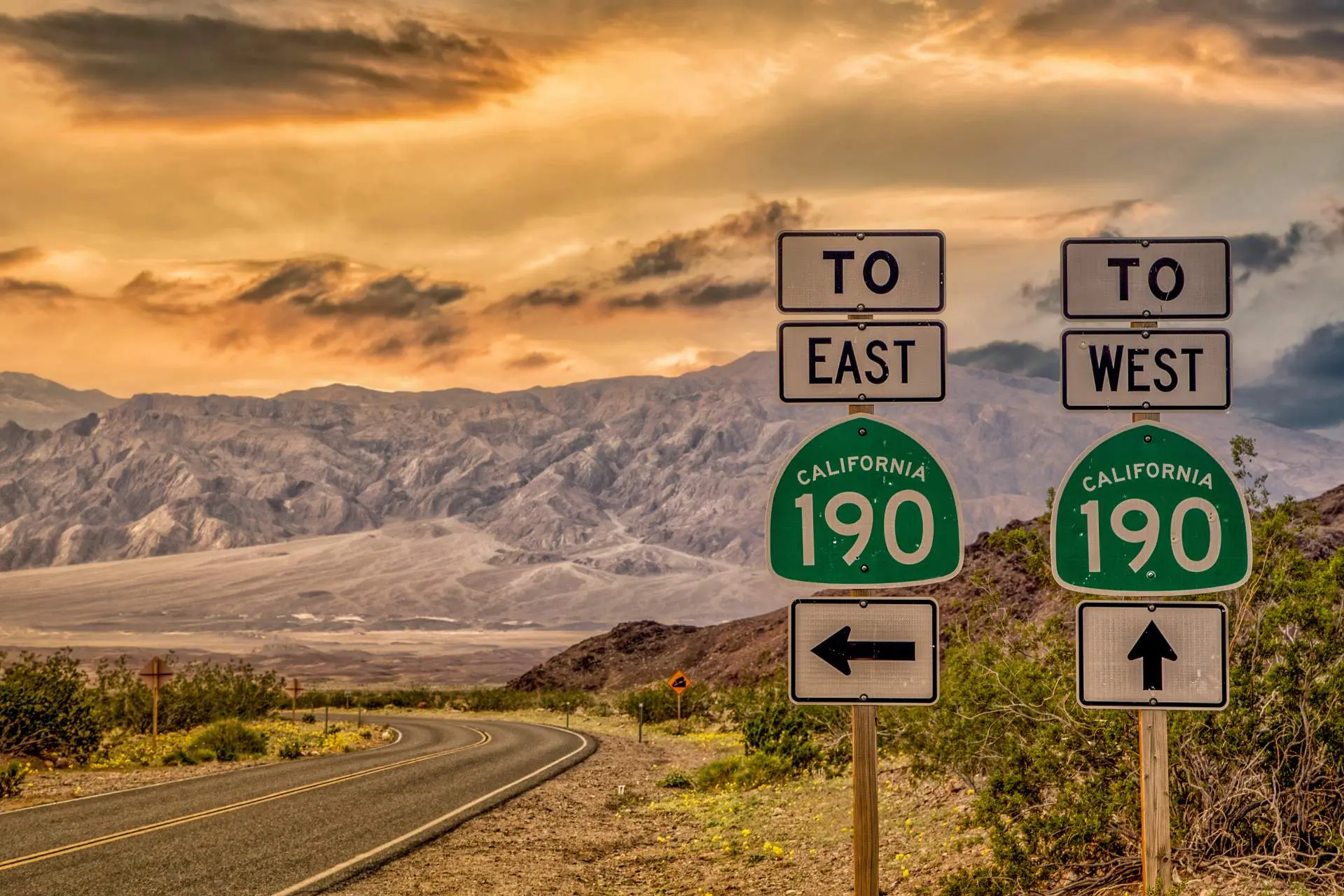
History of Stovepipe Wells
A famous stop with a strange name
History of Stovepipe Wells
A famous stop with a strange name

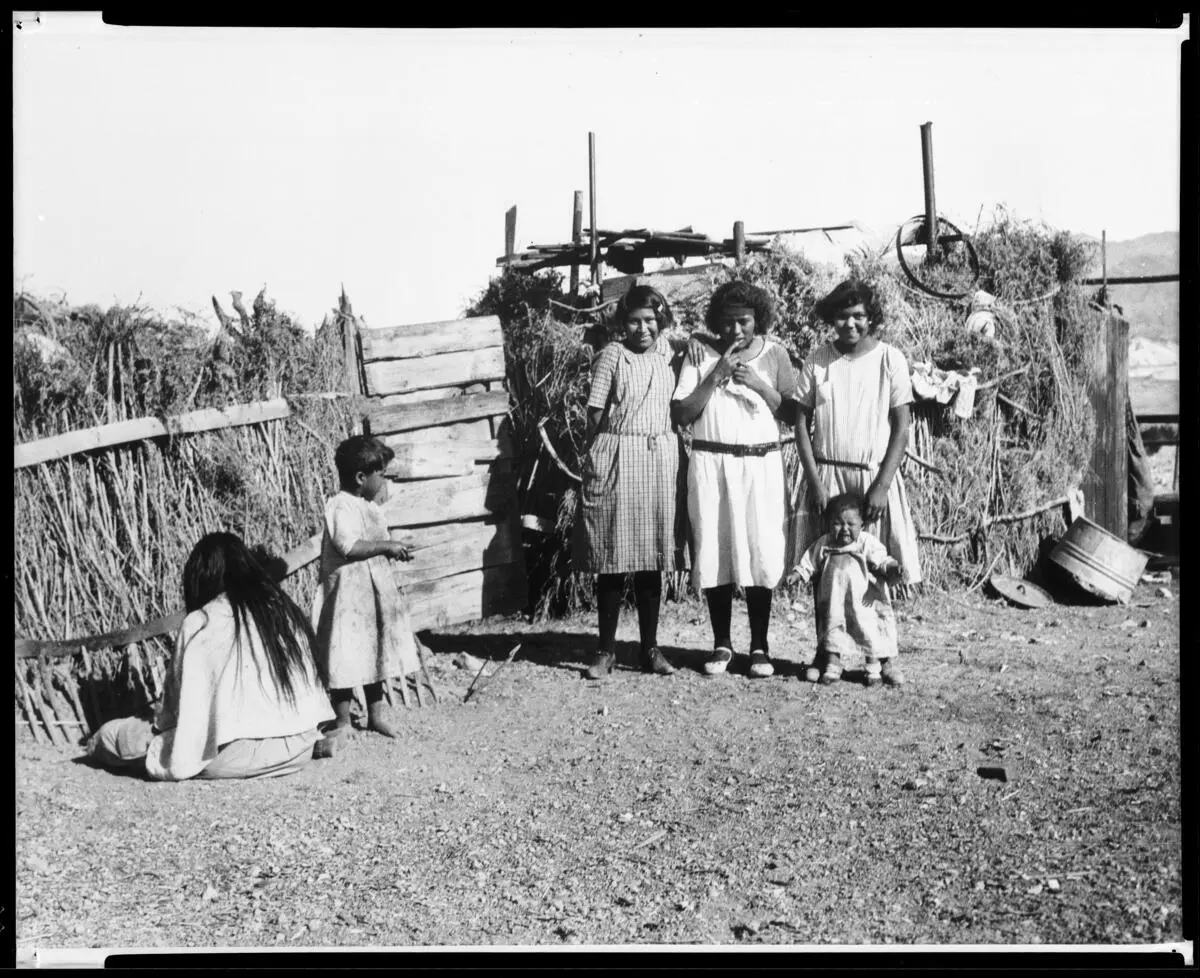
The Original Inhabitants
Long before miners, motorists, or modern visitors arrived, the Timbisha Shoshone people lived in this valley, which they call Tüpippüh, for more than a thousand years. They moved seasonally between the valley floor and surrounding mountains, and the Stovepipe waterhole sat at the crossroads of important Timbisha travel routes.
The name Timbisha comes from the red ochre found in the Black Mountains that waws used for spiritual purposes. In 2000, the Timbisha Shoshone Homeland Act established a reservation within Death Valley, the first and only U.S. national park to do so. Today, visitors are welcomed by signs that read: Homeland of the Timbisha Shoshone.
What's In a Name?
The Stovepipe Solution
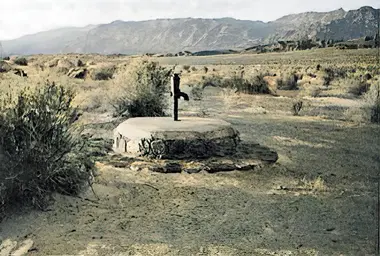
Long before the modern Stovepipe Wells resort, old Stovepipe Wells was a vital water source in northern Death Valley, located about five miles northeast of today's resort. Initially hidden under shifting sands, its location was known primarily through word of mouth, making it a tricky find for thirsty travelers. Eventually, some inventive prospector inserted a length of stovepipe into the well, creating a visible marker for travelers.


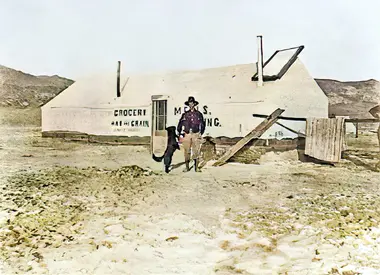
Desert Rest Stop
This simple solution transformed Stovepipe Wells into a popular rest stop during the mining booms of Rhyolite and Skidoo. Entrepreneurs saw potential and built a makeshift roadhouse with walls made from beer bottles and mud, and a roof insulated with earth and tarps. Despite the foul-smelling, yellowish water, the roadhouse served as a crucial waystation, providing food and beer to weary travelers.
As traffic increased, so did the need for better facilities. By 1907, Stovepipe Wells was a key stop on the Kimball Bros. stage route and even had the valley’s first telephone office. Plans were made for a winter resort, but as nearby mining towns declined, the waystation was gradually abandoned. It wasn’t until nearly two decades later that a revival was on the horizon, thanks to a young engineer from Pennsylvania, Herman William Eichbaum.
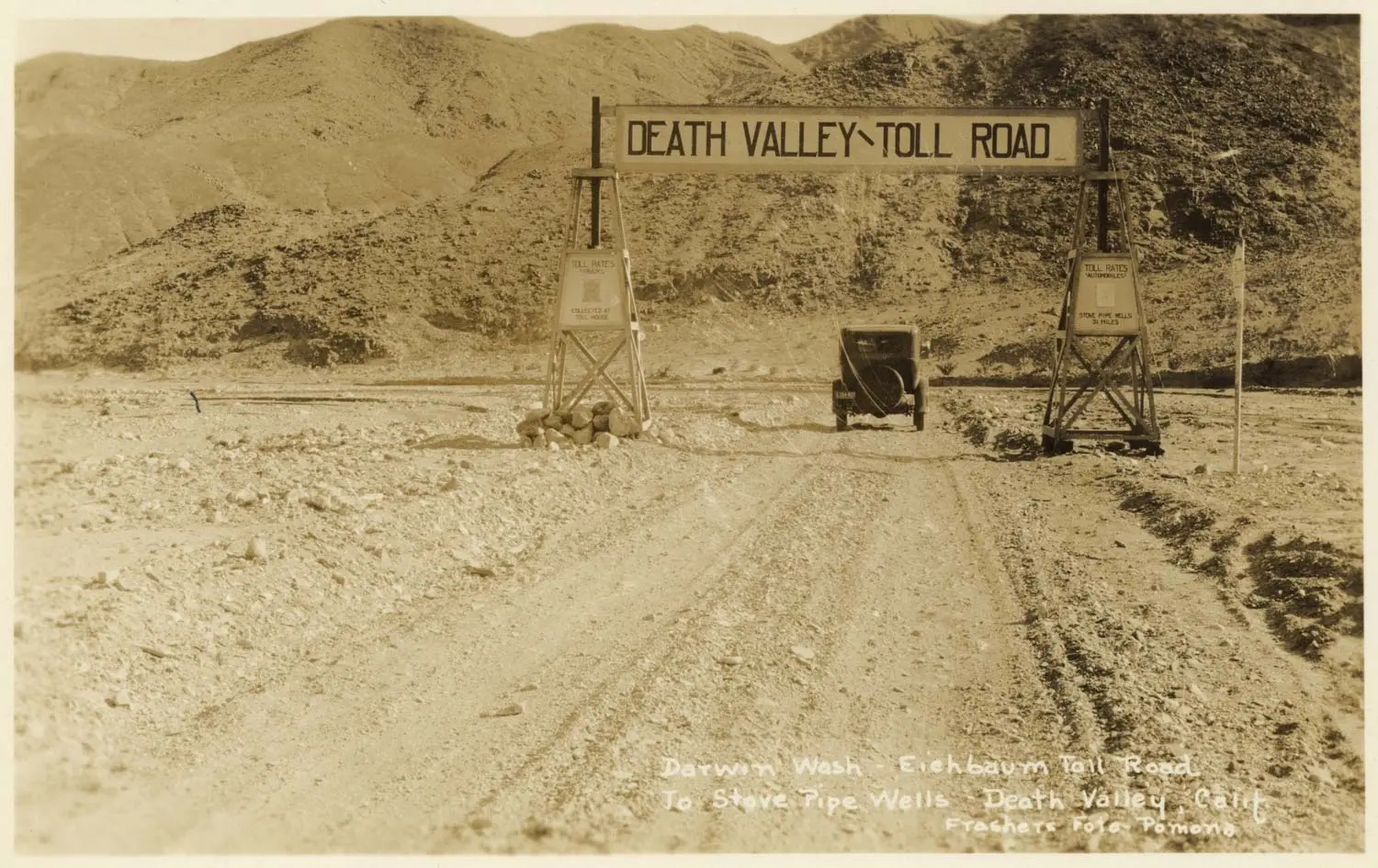
Eichbaum’s Toll Road
Eichbaum saw the potential for tourism in Death Valley and proposed a toll road to connect it with Los Angeles. Despite obstacles like mud and rocky terrain, his revised route over Towne Pass was completed in May 1926, though 4.5 miles short of the goal. With the road in place, Eichbaum focused on creating a resort. He overcame challenges like stuck trucks and site selection by building "Bungalow City" with tent houses and beaverboard walls, opening in November 1926. Eichbaum eventually adopted the name "Stovepipe Wells," inspired by that famous spring located 5 miles away.
After Eichbaum's death in 1932 and Death Valley was designated a national monument in 1933, the California Division of Highways purchased the road in 1934 and abolished the tolls. Stovepipe Wells, however, endured. Today you can still visit the original spring, now called Old Stovepipe Wells or California Historical Landmark 826, on Scotty’s Castle Road.


The CCC Builds the Modern Park
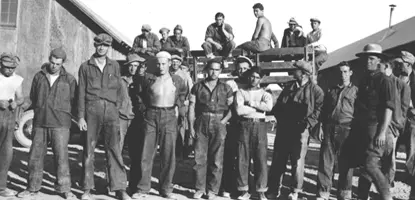
When Death Valley was declared a national monument in 1933, the Civilian Conservation Corps arrived almost immediately. Over the next nine years, twelve CCC companies built trails, roads, buildings, and camps, and introduced early water and phone service to remote parts of the valley. Much of what visitors still see and use today traces back to this era. The CCC also constructed the adobe village at Furnace Creek for the Timbisha Shoshone and built the local airstrip, laying the groundwork for Death Valley’s transition from isolated desert to accessible destination. This expansion of services helped make Stovepipe Wells more accessible for visitors and Hollywood.
The Sand Dunes Were a Film Set for Star Wars
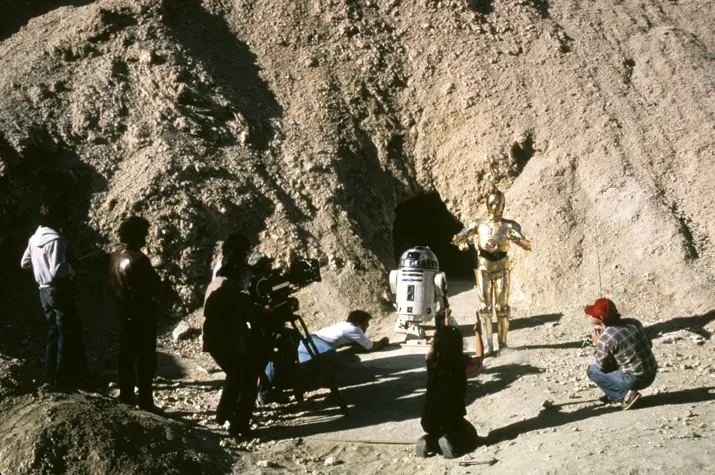
The sand dunes just beyond Stovepipe Wells once stood in for a galaxy far, far away. In 1977, filmmaker George Lucas used the nearby Mesquite Flat Sand Dunes as the planet Tatooine in Star Wars: A New Hope. Local schoolchildren were cast as Jawas, the hooded desert scavengers, with teachers helping coordinate filming in the remote landscape. With a careful eye, visitors can still match the surrounding mountains to scenes from the film.


Celebrating 100 Years and Looking Ahead
Since opening in 1926, Stovepipe Wells has welcomed generations of travelers seeking rest and connection in the heart of Death Valley. Over nearly a century, the village has evolved with the times, changing hands and adapting to new eras, while remaining rooted in its original purpose as a desert waystation.
Today, Stovepipe Wells is owned by the National Park Service and operated by POWDR under a concessionaire agreement. As the village marks its 100th anniversary, POWDR is investing in thoughtful improvements designed to reduce environmental impact, strengthen infrastructure, and ensure Stovepipe Wells remains a sustainable place to visit and experience for the next hundred years. To learn about how you can take part in the centennial celebration please visit the front desk.